












 Spanish News Today
 Alicante Today
 Andalucia Today

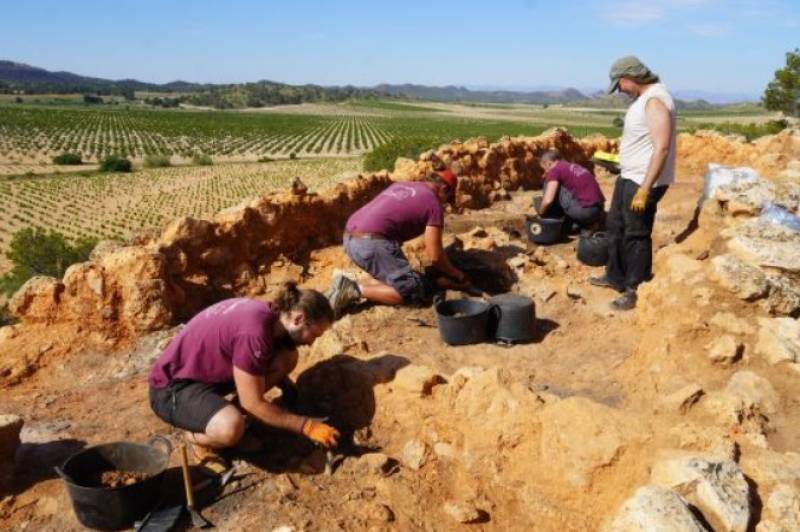 In May 2025 archaeologists working at the site of El Cerro del Tío Pimentón were stunned to unearth a group of 10 terracotta figures unlike any others found anywhere in the Iberian Peninsula, dating from the late Bronze Age around 4,000 years ago.
They were found in room number 7 of the site, the largest at 22 metres by 4 metres, and as well as the figures archaeologists found ceramic containers, textiles and weaving weights, but it was the terracotta figures which aroused the most interest. Studies are now under way to understand their significance, and this presentation on Friday 27th February outlines the progress made so far, including what can be deduced about the territorial and social organization of the inhabitants of Jumilla and Yecla in around 2,000 BC.
The presentation at the Jerónimo Molina archaeology museum is given by Professor Javier Jover Maestre of the University of Alicante at 20.00 as part of a series of presentations concerning new archaeological findings in the municipality of Jumilla, and all members of the public are welcome to attend.
For more local news, events and visiting information please contact the tourist office (telephone 968 780237, email oficinaturismo@jumilla.org) or go to the home page of Jumilla Today.
The tourist office in the centre of Jumilla is easily found by driving straight into the centre of the town along the Avenida de Murcia and following the signposts. The tourist office is alongside the Parque de Don Albano Martínez Molina, where there are a number of parking spaces.
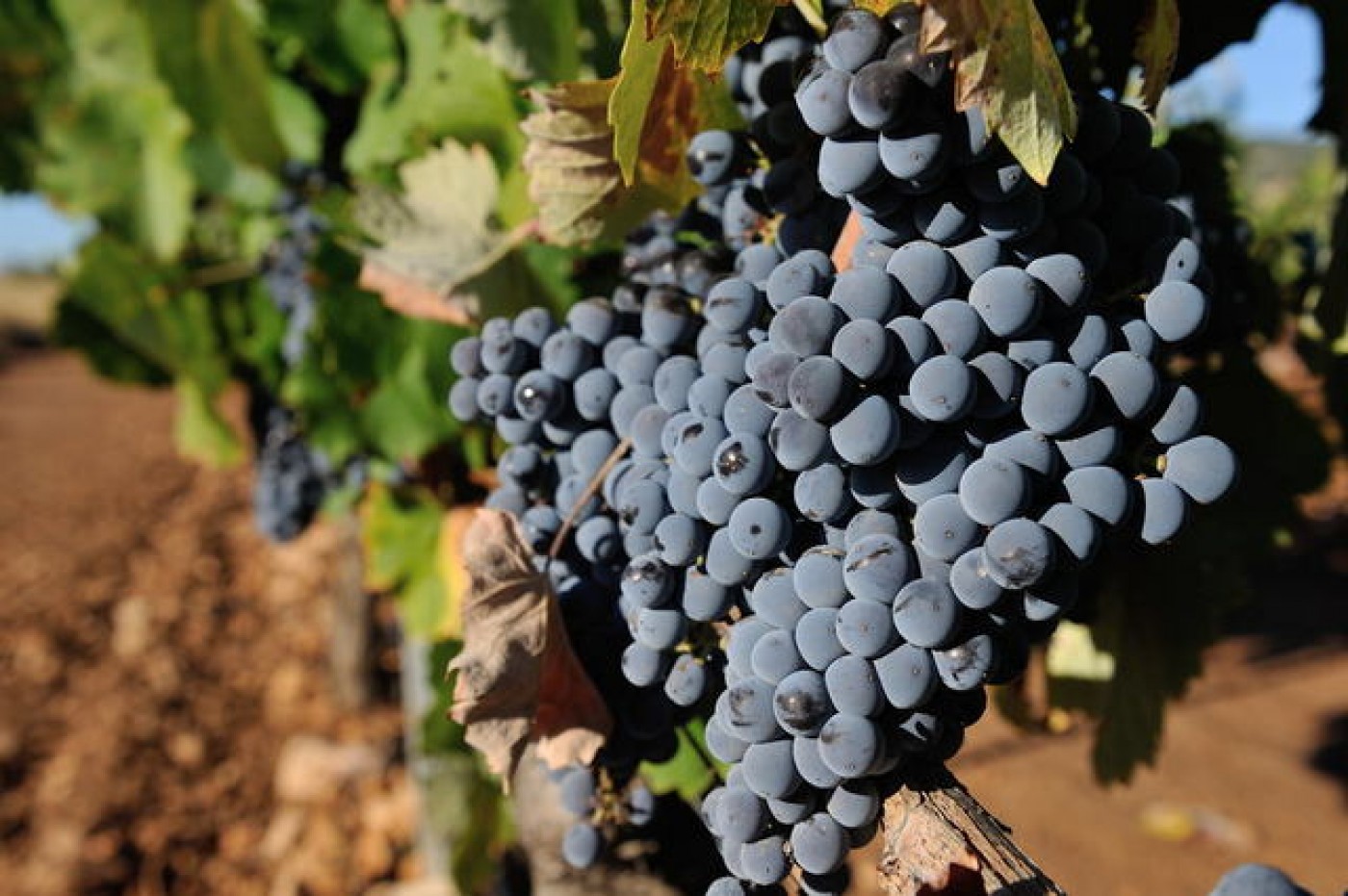
Jumilla, in the north of the Region of Murcia, has become internationally famous over recent decades due to the quality of the wines produced in the municipality, and wine tourism has begun to attract visitors from other parts of Spain and the rest of Europe.
The tourist office is happy to provide a range of maps and leaflets showing the different bodegas which can be visited within the municipality. Some of these form part of the Rutas del Vino de Jumilla, the Jumilla wine route, and can either be visited as a guided tour or sell their produce directly to the public.(see feed below for more details)
However, the town and the surrounding countryside have plenty of other attractions for visitors, and the popularity of Jumilla wines is leading more and more people to discover other facets of the tenth largest municipality in Spain.
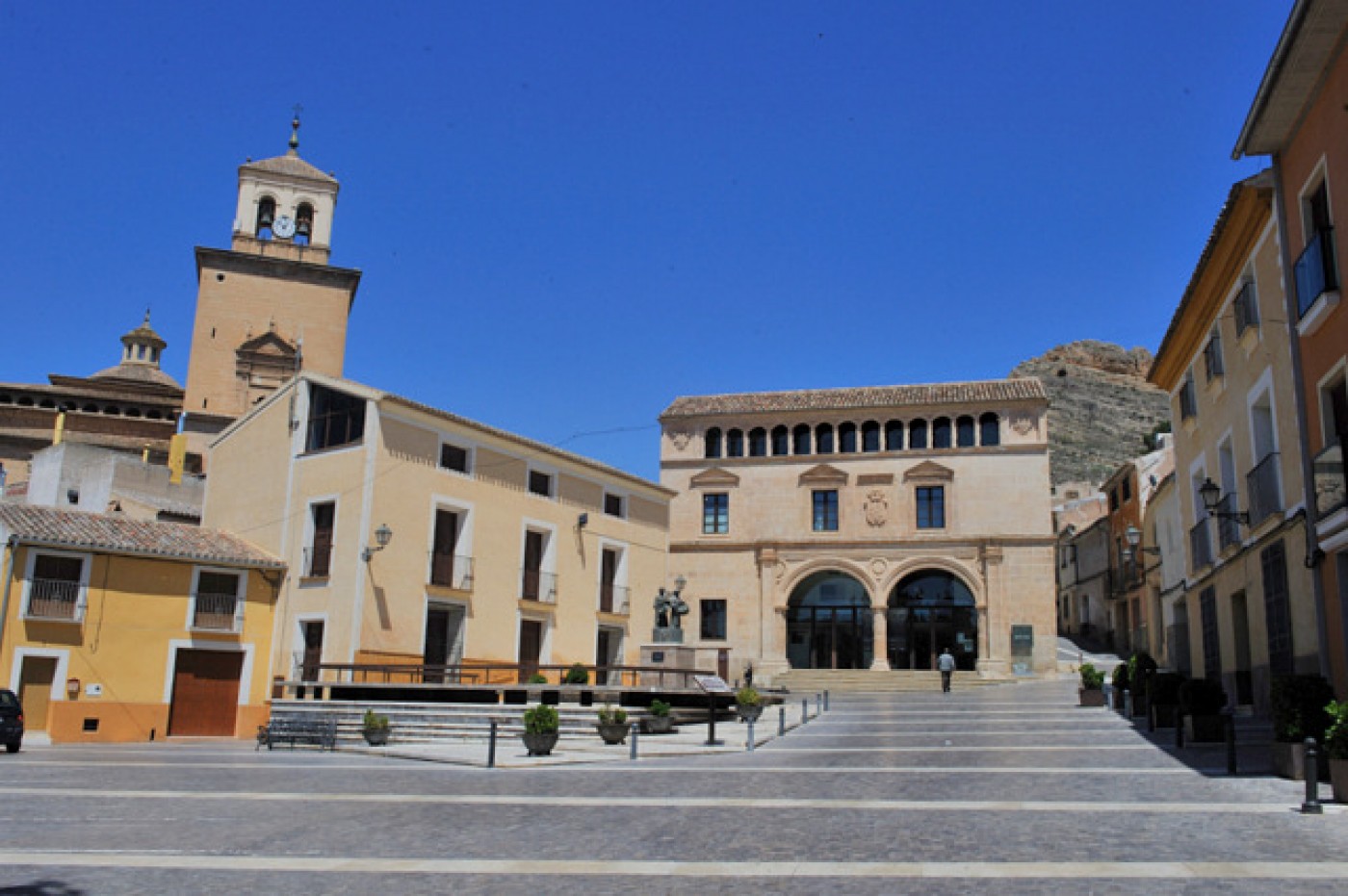
These include the spectacular countryside and birdlife in the Sierra del Carche, the historic remains which range from cave paintings and a Roman mausoleum to the castle, the Iglesia de Santiago, the Town Hall and the Teatro Vico, and the gastronomy: rich stews are accompanied not only by the wines of the area but also by Jumilla pears, which also enjoy Denomination of Origin status.
Tourism in Jumilla is not as seasonal as it is in the coastal areas of the Region of Murcia, but the town is at its liveliest during the fiestas in Holy Week and the August Fair, which incorporates the grape harvest celebrations and the Moors and Christians parades.
The Altiplano of the Region of Murcia, which consists of the municipalities of Jumilla and Yecla, is only just over an hour by car from the Mar Menor, Cartagena, Mazarrón, Torrevieja and Alicante, and anyone wishing to visit real inland Spain and world-class wineries is advised to include Jumilla in their schedule.
Summer
Tuesday to Friday from 10am to 2pm
Saturday and Sunday 10am to 2pm
Monday closed
Winter
Tuesday to Friday from 10am to 2pm and 5pm to 7pm
Saturday and Sunday 10am to 2pm
Monday closed
Click for full information about visiting the Jumilla municipality and its wine bodegas: Jumilla section